

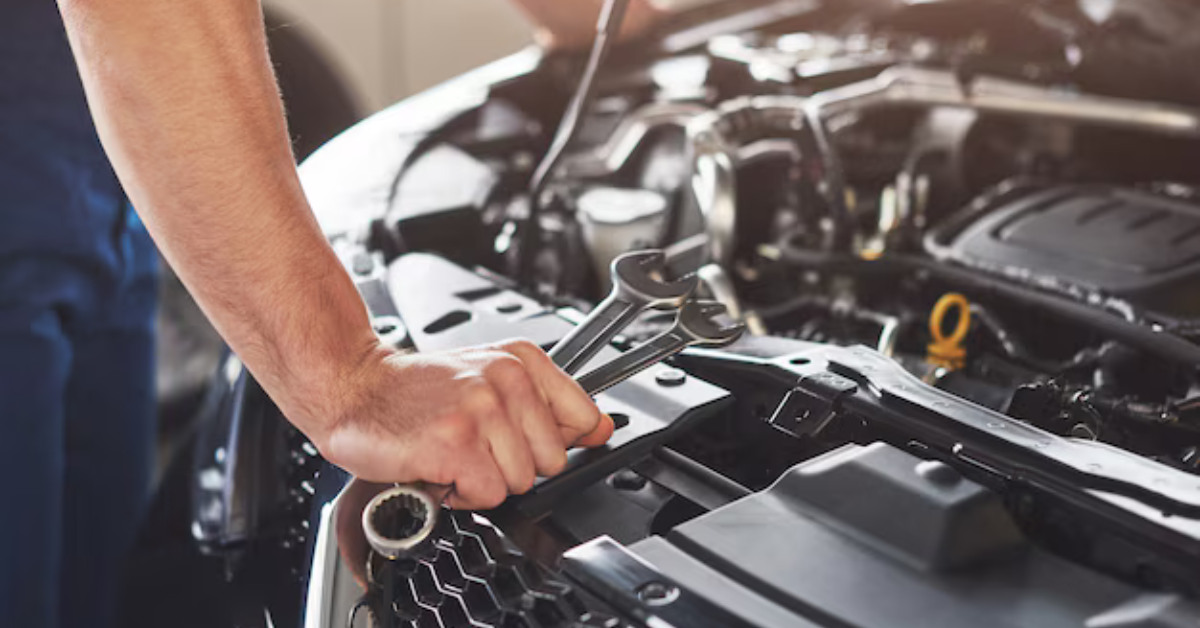
When it comes to maintaining your car, one of the most important things you can do is ensure it gets regular servicing. Whether your car is brand new or a few years old, routine maintenance can not only enhance its performance but also extend its lifespan and ensure your safety on the road. In this blog, we’ll explore the key reasons why regular car service is essential and what benefits it brings.
1. Increases the Lifespan of Your Car
Cars are expensive investments, and just like any other investment, you want them to last as long as possible. Regular servicing helps in identifying minor issues before they develop into major, costly repairs. For instance, engine oil changes, air filter replacement, and brake checks are all routine services that, when performed on time, can help your car run efficiently for years.
By sticking to a regular maintenance schedule, your car’s components remain in optimal working condition, which ultimately adds years to its life. The more care you take of your car, the more you can delay the need for costly replacements.
2. Improves Fuel Efficiency
One of the most immediate benefits of regular car service is improved fuel efficiency. Over time, things like dirty air filters, low tire pressure, and outdated engine oil can reduce your car’s fuel efficiency. When you service your car regularly, mechanics will inspect these issues and ensure that your car is running at its best. Small adjustments like changing the spark plugs or tuning the engine can also lead to noticeable improvements in miles per gallon (MPG), which helps you save money at the gas pump.
3. Ensures Safety on the Road
A well-maintained car is a safer car. Regular car servicing includes checking critical safety features like the brakes, tires, steering, and suspension. For example, worn-out brake pads, low brake fluid, or uneven tire wear can lead to accidents if left unchecked. By having your car serviced regularly, you reduce the risk of mechanical failures while driving, ultimately protecting you, your passengers, and other road users.
4. Reduces the Risk of Expensive Repairs
One of the biggest advantages of regular car servicing is that it helps detect minor issues before they turn into major, expensive problems. For instance, if your mechanic notices a small oil leak or a worn-out belt during an inspection, these issues can be fixed early, preventing a breakdown or more severe damage to the engine or transmission.
Ignoring regular service appointments can lead to undiagnosed problems that escalate quickly, resulting in hefty repair bills and, in some cases, even the need for replacing entire engine components.
5. Maintains Your Car’s Resale Value
If you’re planning to sell or trade-in your car in the future, a well-documented service history can significantly boost its resale value. Buyers tend to prefer vehicles with a complete and up-to-date service record, as it demonstrates that the car has been well cared for and is less likely to have hidden issues. Regular servicing and keeping track of maintenance receipts can help you achieve a better price for your car when the time comes to part with it.
6. Helps with Compliance of Warranty
For new cars still under warranty, regular servicing is often a requirement to keep the warranty intact. Failure to maintain the car as per the manufacturer’s recommended service intervals could result in voiding the warranty, leaving you on the hook for any repairs that would otherwise be covered. Be sure to follow the manufacturer’s guidelines to avoid any unexpected surprises later.
7. Provides Peace of Mind
When you know that your car is in good working order, it gives you peace of mind every time you get behind the wheel. Regular servicing ensures that everything from the engine to the exhaust system is working efficiently, reducing the likelihood of unexpected breakdowns. Whether you’re taking a short trip to the store or embarking on a long road trip, knowing your car has been well-maintained means less stress on the road.
Common Car Service Tasks You Shouldn’t Skip:
- Oil and Filter Change: Essential for engine health and longevity.
- Brake Inspection: Crucial for safety and performance.
- Tire Check: Regular rotation and balancing help prolong tire life and improve fuel economy.
- Battery Test: Prevents unexpected battery failures.
- Fluid Levels: Ensures your car’s transmission, brake fluid, coolant, and power steering fluid are topped up.
- Air Filter Replacement: Keeps the engine running smoothly and ensures better fuel efficiency.
Conclusion
Regular car service is not just about preventing breakdowns—it’s about maximizing the efficiency, safety, and lifespan of your vehicle. By sticking to a proper maintenance schedule, you not only keep your car running smoothly but also save yourself from unexpected repair bills and safety hazards. Whether you drive a brand-new car or a vehicle with a few years on the clock, make car servicing a priority.
So, the next time you’re due for an oil change or tire rotation, don’t put it off. Your car—and your wallet—will thank you in the long run!
